Your ATM Sits in a Store You Don’t Control, So Is Its Network Actually Secure?
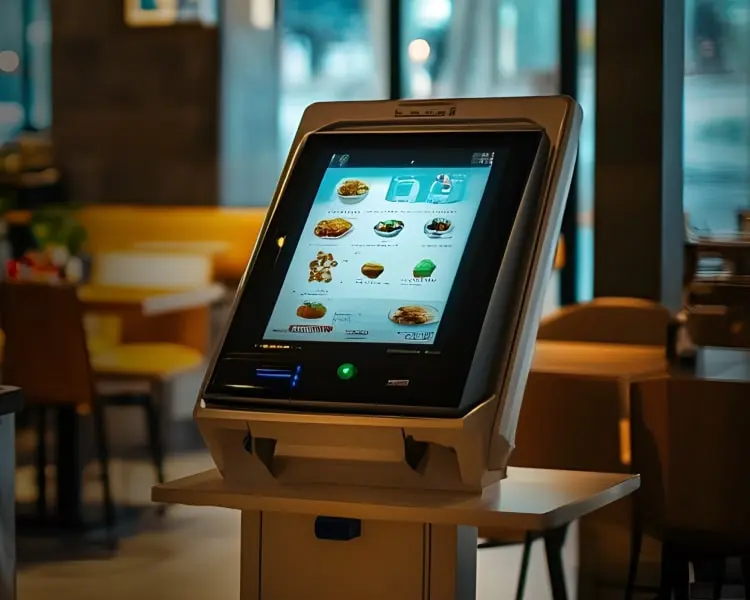
Picture a cash machine tucked beside the soda cooler at a busy gas station. Shoppers walk past it all day without a second thought. The owner of that terminal rarely owns the building around it. Clerks change shifts and routers get swapped without notice. Operators curious about one cellular approach can go here to see how a private wireless link keeps transactions apart from the shop. That worry sits at the center of one simple question: Your ATM Sits in a Store You Don’t Control, So Is Its Network Actually Secure?
The Problem with Shared Connections
Many retail kiosks plug straight into the shop’s internet. That same line often carries card readers. It may also serve cameras or staff laptops. One infected device on that line can reach the cash machine.

Weak Spots Inside Retail Shops
Default router passwords often go unchanged for years. Open guest WiFi lets strangers sit on the same connection. Loose cables behind counters can be unplugged or tapped. Staff turnover means nobody remembers who set things up.
Signs of a Protected Connection
Strong protection is easy to spot once you know what to check. Look for these traits in any setup.
- Transactions travel over a private cellular line, never shared publicly.
- Unknown gadgets trigger instant warnings sent straight to operators.
- Router passwords arrive changed from factory defaults before installation day.
- Hardware locks inside cabinets where curious hands cannot reach.
- Remote dashboards record every login attempt alongside its timestamp.
- Software updates install automatically whenever makers release fresh fixes.
- Backup carriers keep cash flowing if one tower fails.
- Support staff answer calls overnight during weekends or holidays.
Cellular Links Change the Picture
A cellular router gives the cash machine its own path to the bank. Nothing in the shop shares that path. If employees reset their router, the kiosk stays online. The retailer’s habits stop mattering as much.
What Should Operators Ask Before Signing Placement Deals?
Start by checking the connection. Find out whether the kiosk will use the shop’s internet or its own line. Ask who holds the router password. Ask who gets called when the link drops at night.
Next, look at monitoring. Operators should see signal strength along with any unknown device in real time. A good dashboard also allows remote resets without a site visit. Anyone comparing providers can go here to read how one wireless company handles these points. Clear answers at the start prevent arguments later.
Watching for Trouble Before It Grows
Most breaches start small. A strange device appears, or data use jumps overnight. Catching these signs early stops a minor issue from turning into stolen card data.
Shop Internet Compared Against Private Cellular
| Factor | Shared Shop Internet | Private Cellular Link |
| Card industry audits | Harder to prove traffic separation | Easier to show isolated traffic |
| Moving to a new site | Needs a fresh network setup | Works on arrival |
| Where costs appear | Hidden inside the store’s bill | Fixed monthly data plan |
| Common outage causes | Store changes or provider faults | Tower coverage or SIM issues |
| Blame after a breach | Often disputed between parties | Clearer since the operator owns the line |
Doubts Shop Owners Usually Raise
- Will my store WiFi see card data? No, a cellular kiosk keeps that information separate.
- Does a private link cost more? Usually a small monthly data plan covers it.
- What if my building blocks phone signals? An outside antenna typically fixes weak reception.
- Who fixes a hacked router? The operator’s provider resets it remotely, then checks logs.
- Should staff touch the cash machine’s router? No, it should stay locked inside the cabinet.
- Do cellular kiosks survive shop internet outages? Yes, they never depended on that line.
Owning the Link Means Owning the Risk
Safety depends on who manages the path between the kiosk and the bank. Shared shop internet leaves that job with strangers. A private cellular line returns it to the operator. Clear contracts plus regular monitoring fill the remaining gaps.
Steady Checks Beat Perfect Plans
No setup remains safe forever without attention. Passwords age while shops quietly add new devices. Operators who review alerts weekly tend to spot trouble early. Small fixes made on time matter more than a perfect design on paper. Protection grows from steady follow-through rather than one big upgrade.